Rent a Truck or Hire Movers? A Practical Way to Decide What's Right for Your Move
Quick Answer: A do-it-yourself move can work for a small load moving a short distance with plenty of friends, physical stamina, and free time to spare. Full-service movers make more sense once you're dealing with a full household, a tight timeline, fragile or heavy items, stairs, elevators, or unpredictable Wisconsin weather. The right choice usually comes down to how much physical risk and time pressure you're willing to take on yourself instead of handing it to an experienced crew.
Why This Decision Feels Harder Than It Should
Every move comes down to the same question eventually. Do you load the truck yourself, or bring in people who do this for a living? On paper it looks like a simple trade between convenience and control. In practice, the decision gets tangled up with how much stuff you actually own, how many hands you can count on, and how much your new place's layout is going to fight you on move-in day.
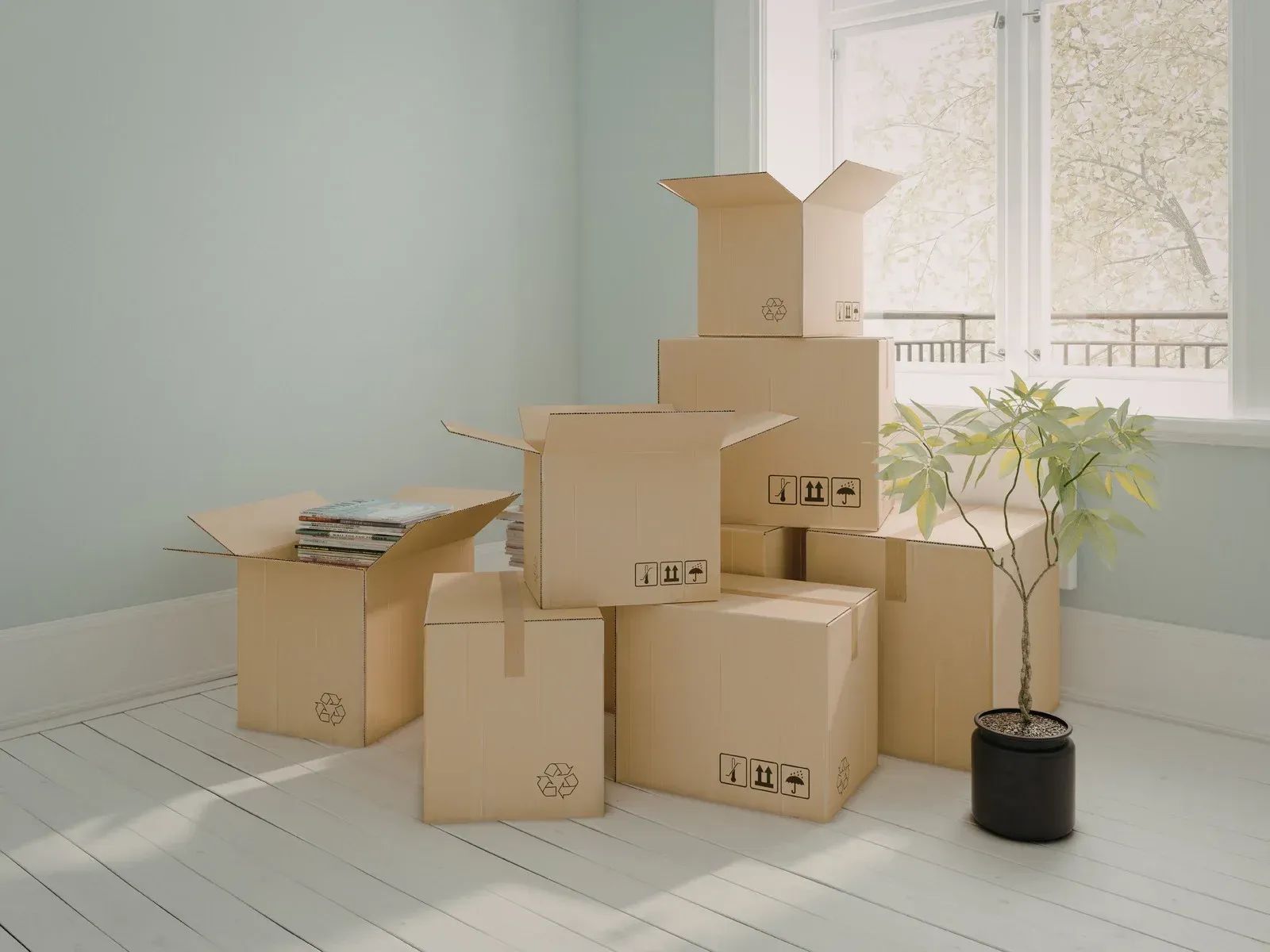
A studio apartment with a couch, a bed, and a dozen boxes is not the same project as a four-bedroom house with a dining set, a home office, a finished basement, and a garage full of tools. Scale changes everything. It's the piece a lot of people underestimate until they're standing in the driveway at 8 a.m. wondering how a queen mattress is supposed to clear a stairwell turn.
What a DIY Move Actually Requires
Doing your own move is not just renting a truck and calling a few friends. It means taking on every role a moving crew usually splits among several trained people at once: loader, driver, navigator, unloader. You're the one figuring out weight distribution in the truck bed, securing furniture so it doesn't shift on turns, protecting doorframes as you wrestle oversized pieces through narrow spaces, and keeping track of dozens of boxes so nothing gets crushed under something heavier.
Driving a rental truck isn't like driving your own car, either. These vehicles run taller, wider, and heavier than most people are used to, with different blind spots, a wider turning radius, and a much longer stopping distance. And that adjustment period happens on moving day itself, often on unfamiliar routes, often while backing into a driveway for the first time.
Then there's the physical toll. A full day of lifting furniture and boxes at awkward angles, on stairs, over and over, is the kind of repetitive strain that ergonomics research consistently ties to back injuries. The habits that lower that risk (keeping loads close to your body, bending at the knees instead of the waist, never twisting under weight) come naturally to people who move furniture for a living. They're the first things to slip when you're exhausted and racing a lease deadline.
TIP: If you handle any part of the move yourself, stage boxes and furniture by room and by weight before loading day arrives. Knowing what's heaviest and what needs to go in first, or last, keeps you from reshuffling a half-loaded truck bed, which is exactly when most strain injuries and dropped-item damage happen.
None of this makes DIY a bad idea across the board. For a small apartment, a short distance, and a few reliable helpers, it can be a perfectly reasonable way to handle things. The honest check is whether your move actually fits that description, or you're just picturing it going smoother than it realistically will.
Where Full-Service Movers Change the Equation
Full-service moving shifts the physical labor, the logistics, and a lot of the decision-making onto a team that does this work every day. That means organized loading strategies that protect furniture and make better use of truck space, careful handling of fragile or bulky items, and a coordinated sense of timing that keeps a move from stretching into a second exhausting day.
For a household with a full home's worth of belongings, this matters more than people expect. Furniture disassembly looks simple right up until you're standing over a bed frame with the wrong tool and no instructions. Professional movers handle this constantly and know how to put pieces back together correctly on the other end, instead of leaving you with a pile of hardware and a headboard propped against the wall.
Apartment and condo moves add another layer that full-service crews are built for. Elevators with reservation windows. Narrow stairwells. Tight parking and building access rules that require coordination a crew has already worked through dozens of times. Senior moves follow a similar logic, except the goal usually isn't speed. It's a calmer, more organized transition into a smaller space, with careful handling of items that carry decades of history behind them.
Weighing the Physical and Time Costs
One of the most overlooked parts of a DIY move is what it costs you afterward. A full day of lifting, carrying, and driving leaves most people sore, drained, and in no shape to unpack, let alone show up rested for work the next morning. Full-service movers absorb that physical toll so your moving day goes toward managing logistics, getting to know your new neighborhood, or just being present with your family instead of nursing a strained back.
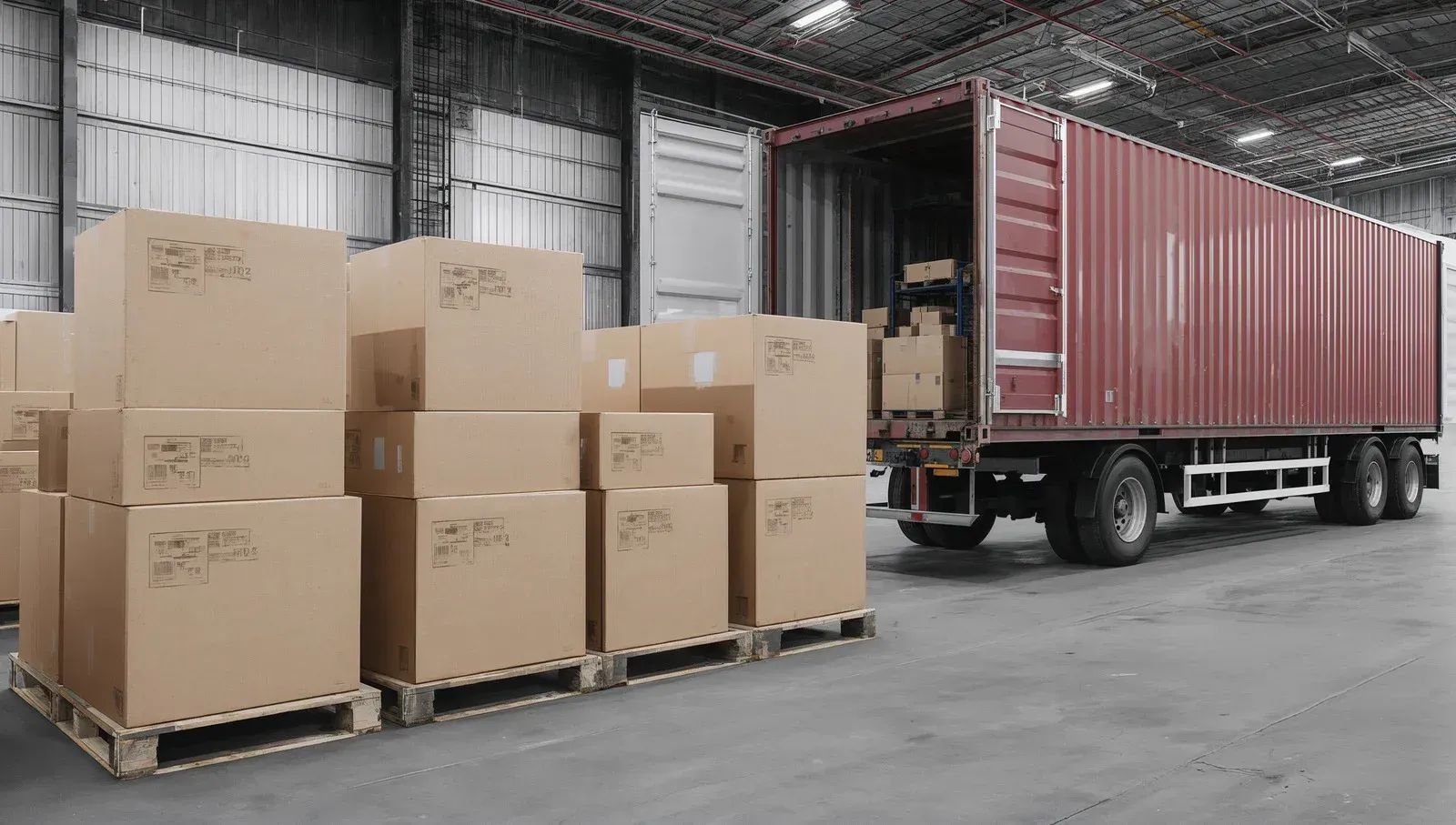
Time behaves the same way. A DIY move often stretches across an entire day, sometimes two, once you count truck pickup and return windows, loading, driving, unloading, and the slowdowns that come with a crew figuring things out as they go. An experienced team works with a rhythm and division of labor that keeps things moving at a steadier clip, and that's often the difference between wrapping up by early afternoon and finishing well after dark.
Protecting What You're Moving
Belongings carry a different level of risk depending on who's handling them. Furniture corners, glass tabletops, electronics, anything with a delicate finish, all of it is vulnerable to scuffs, cracks, and dents the moment it's lifted, carried, and loaded into a truck. Professional movers cut that risk down with padding, wrapping, and load-securing techniques built specifically to keep items from shifting in transit.
That matters even more for specialty items. Pianos, safes, hot tubs, antiques, fine art. These require equipment and handling knowledge that goes well past what a rented dolly and a few willing friends can offer. A mistake here usually isn't something you can undo, and the margin for error on something irreplaceable is a lot thinner than it is on a bookshelf from a big-box store.
WARNING: Moving oversized or unusually heavy items like a piano, gun safe, or hot tub without the right equipment and technique creates real risk, both for the people lifting and for the item itself. These jobs typically call for specialized dollies, ramps, rigging, and several trained movers working in coordination, not just extra hands.
Factoring In Wisconsin Weather
Anyone who has moved through a Fox Cities or Fond du Lac winter already knows the weather adds a variable that DIY movers in warmer climates never have to think about. Icy driveways, snow-covered walkways, and freezing air change how furniture handles, how long boxes can sit outside, and how carefully a crew needs to cross a slick sidewalk without losing footing. Cold weather can also make certain wood finishes and plastics more brittle, which raises the odds of cracking during transport if items aren't handled with care.
Movers who work through Wisconsin winters build their loading and unloading routines around exactly this. They watch for ice on walkways, protect flooring from snow and slush tracked through entryways, and adjust timing the moment road conditions shift. A DIY move during a Wisconsin winter adds a real layer of risk worth weighing honestly, especially if your move involves stairs, a long driveway, or an exposed walkway between the truck and the front door.
Questions Worth Asking Before You Decide
Before settling on an approach, walk through a few honest questions about your specific move instead of defaulting to what worked for a friend last year. How much do you actually own, and how much of it is heavy, fragile, or oddly shaped? How many reliable people can you count on for a full day, and have any of them actually loaded a truck before? What does your new home's layout look like: stairs, an elevator, a tight hallway? And how much flexibility do you have if the move runs long, whether from weather, an inexperienced crew, or just underestimating how long packing takes?
Answer those honestly, not optimistically, and the right choice usually becomes pretty clear. A small, simple move over a short distance with a light load is a reasonable candidate for doing it yourself. A larger household, a longer distance, specialty items, accessibility challenges, or a tight timeline points toward bringing in an experienced crew instead.
Frequently Asked Questions
Can I do a partial DIY move and hire help for part of it?
Yes. Plenty of households pack their own boxes and hire movers just for the heavy lifting, loading, and transportation, or hire packing help for fragile items while handling smaller boxes themselves. A hybrid approach lets you keep control of the parts you're comfortable with and hand off the physically demanding or higher-risk portions.
Does a full-service move mean I can't pack anything myself?
Not at all. Full-service movers typically offer flexible support, from complete packing assistance down to loading and transportation only. How much hands-on involvement you want is your call, based on your schedule, your comfort level, and how much time you have before moving day.
How far in advance should I decide between DIY and full-service?
As early as possible. Deciding early buys you more scheduling flexibility, more time to gather supplies if you're packing yourself, and a better shot at booking an experienced crew during busy stretches like summer weekends and end-of-month dates.
Is a DIY move ever a good idea for a household with stairs or an apartment building?
It can be. But stairs, elevators, and narrow hallways add real physical difficulty and raise the odds of damage to walls, floors, and furniture. If your move involves multiple flights of stairs or elevator access, weigh that extra difficulty carefully against what an experienced crew can handle more smoothly.
Choosing the Moving Approach That Fits Best
For many households, the best moving decision is less about choosing the cheapest option and more about matching the approach to the realities of the move. The Movers, Inc has spent 25+ years helping people relocate throughout Appleton, Fox Cities & Fond du Lac, WI, and that experience shows that every home brings different priorities, timelines, and challenges. A careful look at your belongings, available help, and physical demands usually leads to the choice that feels most manageable from start to finish.
Whether you decide to rent a truck, hire a full-service crew, or combine both approaches, thoughtful planning makes the process smoother and reduces unnecessary stress. Every move presents its own mix of logistics, weather conditions, and household needs, so the right solution is the one that balances effort, time, and protection for your belongings. Taking the time to evaluate those factors before moving day helps create a more organized transition and a better overall experience in your new home.