What To Expect On Local Moving Day From Arrival To Unloading
Quick Answer: On a local moving day, the crew arrives within a set window, walks the home with you to confirm the plan, then loads heavy furniture and appliances first so weight sits low and toward the front of the truck. Boxes go in labeled by room, with anything fragile or needed right away loaded last so it comes off first. A typical local move runs three to ten hours depending on home size and stair access, with loading taking up the largest share of that time. Your job is to clear pathways, flag anything that needs special handling, and stay reachable — the crew handles the lifting, wrapping, and truck logistics.
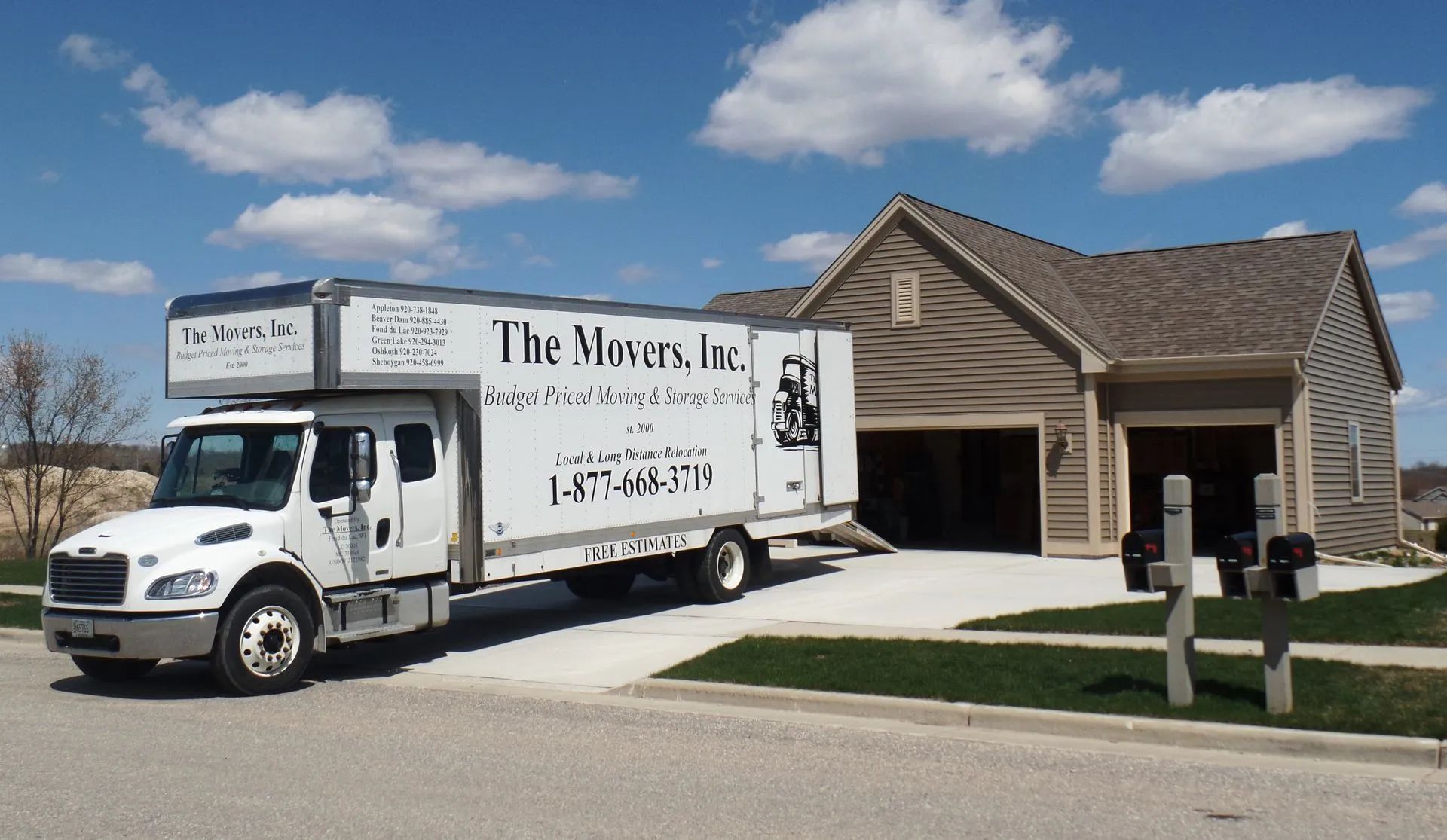
The truck backs into the driveway a few minutes before the scheduled window, and within an hour your living room looks like a loading dock. Cushions leaned against the wall. Boxes stacked by the door. A crew moving room to room with furniture pads and straps slung over their shoulders. A local move isn't one long blur of activity — it moves through a handful of distinct stages, each with its own rhythm, and knowing what happens when takes most of the guesswork out of the day.
Fox Cities homes bring their own wrinkles into that sequence. A walk-up in downtown Appleton loads differently than a ranch house in Fond du Lac with a wide driveway. A move scheduled for late November has to account for icy front steps and slush tracked across hardwood. None of that changes the basic order of operations, but it does shape how the crew plans the day before your doorbell rings.
The Arrival Window and the First Ten Minutes
Most local moves start with a window rather than an exact time — something like an eight-to-nine arrival, not a promise that the truck rolls up at 8:00 sharp on the dot. Traffic, the previous job running long, or a tricky parking situation can shift things by twenty or thirty minutes even with good planning.
The Walkthrough
Once the crew arrives, the first thing that happens isn't loading — it's a walk through the home with you. This confirms what's going where, flags anything that needs extra care, and gives the lead mover a chance to ask about stairs, tight doorways, or a driveway that won't fit the truck at certain angles. It's also when you'd mention a piano, a gun safe, a hot tub, or anything else that needs different equipment than a standard dresser or sofa.
Protecting The Home On The Way Out
Before boxes start moving, the crew typically lays down floor runners in high-traffic areas and pads doorframes and stair rails where furniture will pass close. This matters more than it sounds — a scraped doorframe or a scuffed hardwood floor is the kind of thing that turns a smooth day sour, and it takes minutes to prevent.
How the Crew Decides What Goes on the Truck First
Loading order isn't random, and it isn't first-come-first-loaded either. There's a reason movers load heavy items before light ones and furniture before boxes.
Weight Distribution Comes First
Dressers, appliances, and large furniture typically load first, positioned low and toward the truck's front. This keeps weight balanced for safer handling. Mattresses and awkward flat items follow, while tightly packed boxes fill remaining spaces to prevent shifting.
The Last-On, First-Off Principle
Items you'll need immediately at the new home, such as kitchen essentials, cleaning supplies, and overnight bags, should load last. They come off first, allowing quick access without searching through a fully packed truck during unloading.
Inventory And Labeling Matter More Than People Expect
Boxes labeled by destination room make unloading faster because movers immediately know where each belongs. For fragile or valuable items, a basic condition inventory before loading can also document their state and help resolve questions later.
TIP: Label boxes by the room they're going to, not just what's inside — "Kitchen" moves faster off a truck than "Miscellaneous." Set aside one box of items you'll need in the first two hours at the new place and tell the crew it should load last.
What the Crew Handles and What Falls to You
A local move works best when both sides know their part going in.
The crew handles the physical work: wrapping furniture, disassembling anything too large to carry as one piece, lifting and carrying, loading and securing the truck, driving, and unloading in the order that gets your rooms set up efficiently. If reassembly is part of the job, that happens on the other end once the frame pieces are inside.
Your part looks different but matters just as much. Clear the main pathways — hallways, stairwells, the route from the front door to the driveway — so nobody's navigating around toys or shoes mid-carry. Keep pets and young kids somewhere out of the traffic pattern; a moving day is one of the few times a normally calm dog decides the open front door is an invitation. Set aside personal valuables, important documents, and medications yourself rather than boxing them with everything else. And in winter months, that includes clearing snow and salting the front walk and driveway before the crew arrives — icy footing with a couch in someone's arms is the last thing anyone wants on a Fox Cities morning in January.
How Long a Local Move Actually Takes
Timing depends heavily on home size, and loading is almost always the longest single stretch of the day.
A studio or one-bedroom apartment typically loads in one to two hours, with the full move — loading, the short drive, and unloading — wrapping up in two to four hours. A two-bedroom home usually runs three to five hours start to finish. Three-bedroom houses stretch to five or eight hours, and larger four- and five-bedroom homes can run seven to ten hours or more, especially with a basement or attic in the mix.
Stairs change the math fast. Each flight without elevator access can add thirty to sixty minutes to the total, and a third-floor walk-up with a full apartment's worth of furniture can run several hours longer than an identical ground-floor unit. Distance between homes matters less than people expect for a true local move — most of the time difference comes from loading and unloading, not the drive itself.
Preparation before the day pays off directly. A home that's fully packed and organized when the crew arrives moves noticeably faster than one where boxes are still being taped shut in the bedroom while the truck idles outside.
What Happens When the Truck Reaches the New Home
Unloading generally mirrors loading in reverse, though the sequence flips based on what's needed first. The essentials box comes off before the heavy dresser gets carried up the stairs. Large furniture and appliances typically come off next, placed according to your directions room by room, followed by boxes sorted by the labels written on them back at the old house..
WARNING: If your new address involves narrow stairwells, a tight parking situation, a long carry distance from the truck to the door, or specialty items like a piano, safe, or hot tub, say so when you book the move — not the morning it happens. Crews plan staffing, equipment, and timing around that information ahead of time, and a surprise on move day can slow the entire schedule or put belongings at real risk.
Reassembly, if it's part of the service, happens once frames and larger pieces are in their rooms. A final walkthrough closes out the job — checking that nothing got left behind at the old address and confirming everything at the new one landed where you wanted it. This is also the moment to note any damage on the spot rather than discovering it days later, once memory of exactly how something looked has faded..
When the Day Doesn't Go Exactly as Planned
Closings fall through. New places aren't quite ready. Sometimes the gap between move-out and move-in is a few days rather than a few hours. When timing doesn't line up perfectly, short-term storage can bridge that gap so belongings have somewhere secure to sit rather than forcing a rushed, same-day handoff between two properties. It's worth asking about that option early if there's any chance your dates might not align, rather than scrambling to arrange it the week of the move..
Frequently Asked Questions
How far in advance should I schedule a local move?
Booking several weeks ahead gives you the best shot at your preferred date and time window, especially during summer months, weekends, and the end of the month when demand runs highest. It also gives the crew time to plan around anything unusual — stairs, specialty items, or tight parking — before the day arrives.
What should I do the morning the crew arrives?
Have pathways cleared, pets contained, and personal valuables set aside before the doorbell rings. A quick walkthrough with the lead mover confirms the plan, so it helps to have already decided which rooms take priority and whether any items need special handling.
Do I need to empty dresser drawers before movers pack them?
It depends on the weight and contents. Light clothing items often stay in place, but heavier items like books or tools should come out to keep the piece from becoming too heavy or unbalanced to carry safely up stairs or through doorways.
Can a local move happen around narrow stairwells or tight parking?
Yes, but the crew needs to know ahead of time. Mentioning stair count, hallway width, or parking restrictions when you book lets the team bring the right equipment and plan the loading order around those constraints instead of adjusting on the fly.
What happens if my new place isn't ready on move day?
Short-term storage can hold your belongings securely for a few days or longer until the new address is ready, which keeps a closing delay or timing mismatch from turning into a same-day scramble between two properties.
Do local moves in the Fox Cities still happen during winter?
Yes. Winter moves continue through snow, ice, and cold temperatures with adjustments like floor protection, careful footing on icy walkways, and weather-aware scheduling to keep the day running safely despite the season.
A Sequence That Turns Chaos Into A Plan
A local move only feels overwhelming when nobody explains what's happening or why. Once the walkthrough, the loading order, and the labeling system make sense, the day stops looking like a scramble and starts looking like exactly what it is: a sequence built from experience, repeated enough times that a good crew handles surprises without losing the rhythm of the day. Clearing pathways and flagging special items ahead of time is really the only part left for a homeowner to manage.
The Movers, Inc
has spent 25+ years running that sequence for households across Appleton, the Fox Cities, and Fond du Lac, WI, adjusting for icy driveways, tight stairwells, and everything a Wisconsin winter can throw at a moving day. That kind of repetition is what turns a stressful process into a predictable one. Knowing what happens next, from arrival to the final walkthrough, is often what makes a move feel manageable long before the truck ever pulls away.